Build a stronger argument.
Organize an idea, support it with reasons and evidence, and consider a different point of view.
- Research a question
- Explain your reasoning
- Listen and respond


A parent’s guide
A confident first step.
Skills your child can use for life.
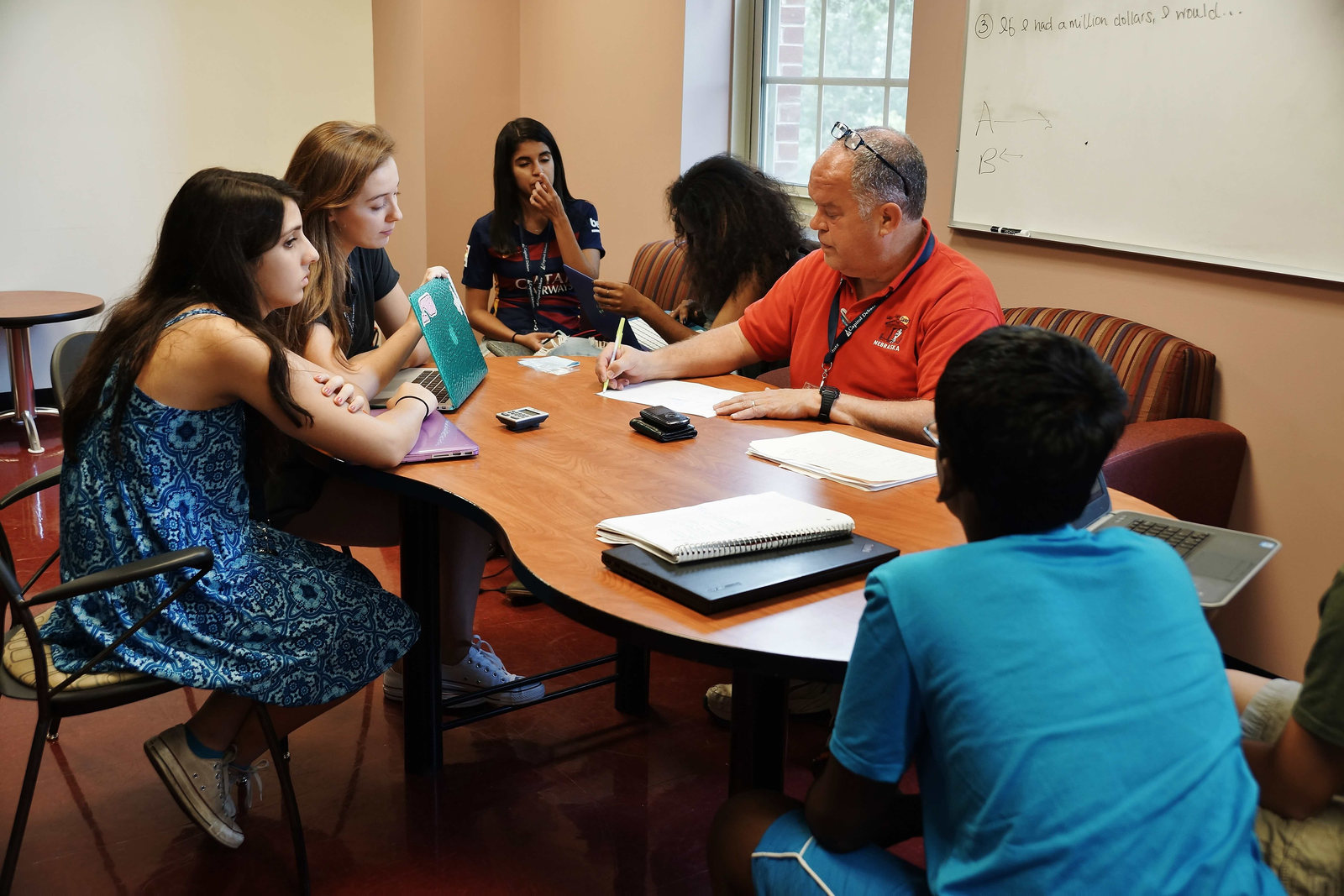
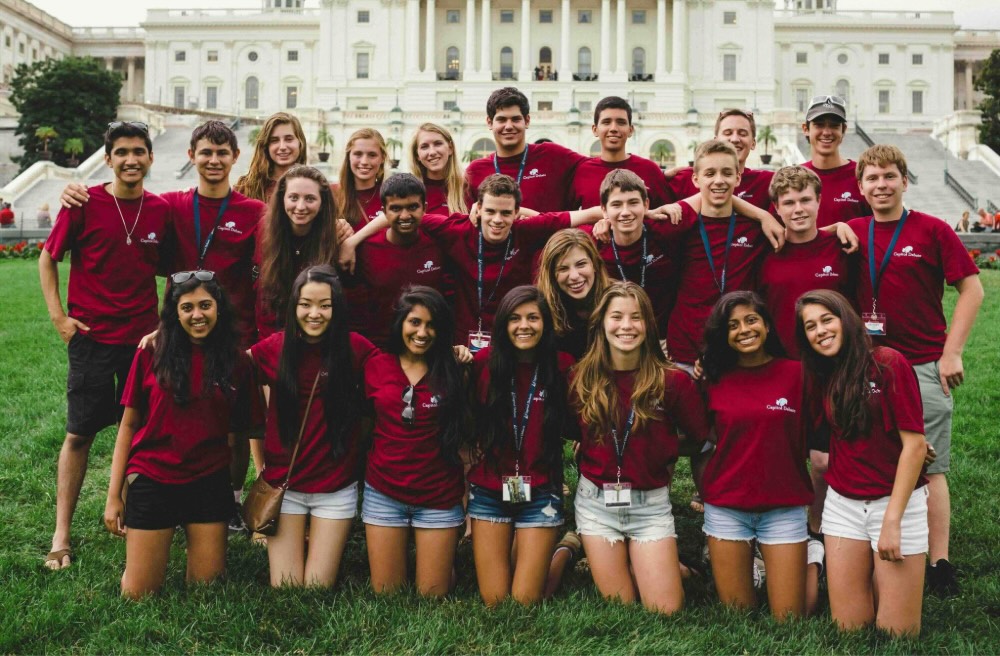
Beginners are welcome at Capitol Debate. Students learn to express ideas clearly, think critically and speak with greater confidence—with experienced instructors guiding the way.
A place to start
Debate begins with a simple idea: say what you think, explain why, and listen to another point of view.
At camp, students learn how to turn that idea into a clear argument. They practice speaking, researching, asking questions and responding to others. The lessons build through doing—with guidance and feedback along the way.
See how we support beginnersStart here. Take it further.
Clear thinking and confident communication have a place in the classroom, in friendships and in the years ahead.
Organize an idea, support it with reasons and evidence, and consider a different point of view.
Practice speaking clearly, making a point and answering questions with guidance from instructors.
Use communication and critical thinking in presentations, classroom discussions, research and writing.
Hear it from the families
Confidence in class. Clearer thinking. A child who wants to go back. Hear three families describe their experiences.
Christel L.: It helped her develop confidence while speaking in front of her classroom peers. It helped her perform with extracurricular activities like future problem solving, and it helped her with their interpersonal and personal growth in her daily life.
Liam D.: And I think that's probably been one of the really biggest changes that we've seen in Charlie is that his sense of this is what I think I want to do I'm going to look into it do some research on it ask for some help with research and then I'm going to plot a course and go and do it. it's been fantastic to see his growth
Neel S.: And so for us the test was basically on the last day of camp. I mean it was like you need to sign me up for next year and and that's what we did.
“It helped her develop confidence while speaking in front of her classroom peers.”
“They do a phenomenal job making your kid feel welcome from the moment that they show up.”
Liam describes growth in Charlie’s critical thinking, expression and independence.
These are individual family experiences. Explore more parent reviews →
Learning. Practice. Camp life.
A day moves from guided lessons to hands-on practice, teamwork and speaking games. There’s time to stretch the mind and connect with other campers.
This outline shows the rhythm of camp. The exact schedule varies by campus and session.
Start the day thinking about what it means to lead.
Explore a public speaking or debate skill with an instructor.
Focus on a topic or skill through the elective program.
Put ideas into practice and work on developing skills.
Collaborate, connect and work toward a shared goal.
Practice communicating through active exercises and games.
For overnight campers: meals, friendships and evening camp life.
The first step matters
A beginner needs opportunities to try—and useful feedback on what to try next.
Our instructors guide students through public speaking and debate skills, then help them practice. Listen to an instructor explain her goal for students who are new to speaking and debate.
Talk with our teamShare your child’s interests, experience and goals.
Find a starting pointDiscuss a suitable program and placement.
Build through practiceLearn, speak, receive feedback and keep developing.
Capitol Debate instructor: So my goals for the summer have been to meet each and every camper where he or she is and to do all I can to help them grow. So for the child who has never really engaged in public speaking and debate, my goal is to make sure that they gain the confidence that they need to to find their voice.
From Capitol Debate’s teaching and confidence video.
A foundation for what comes next
Research, reasoning and confident expression are part of the academic case for debate.
Practice presenting an idea, answering a question and contributing to discussion. Lily’s mother describes greater confidence speaking to classroom peers.
Work with evidence, organize a case and express an argument clearly. These are skills students use in research, reading and writing.
Explore an intellectual interest and develop communication, collaboration and leadership through continued participation.
Explore the evidence behind debate, academic skills and college preparation.
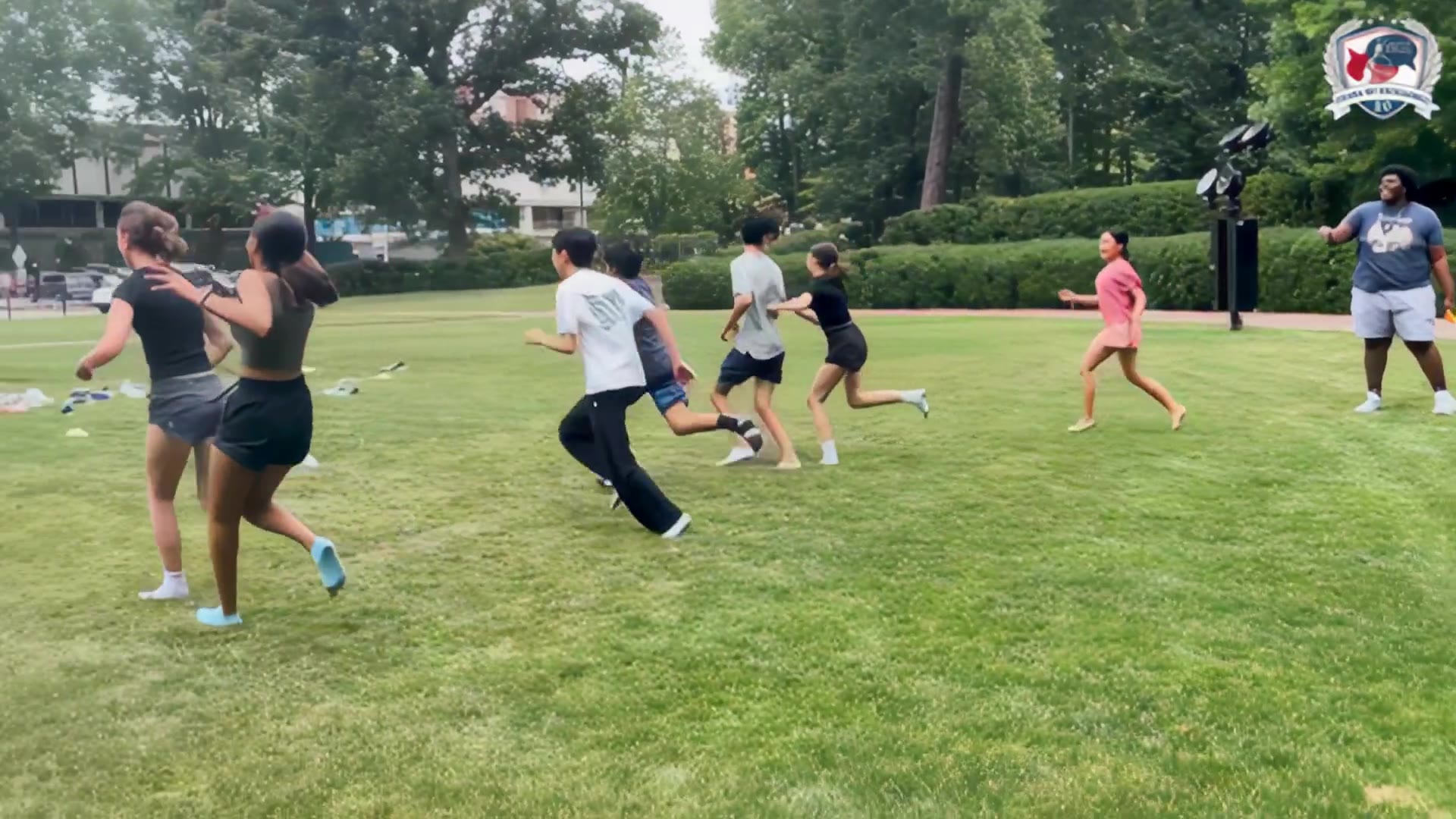
A learning experience. A summer experience.
Lessons and labs are one part of the day. Team building, games and shared experiences give campers another way to connect.
For residential campers, dorm life and evening activities add a chance to practice independence and spend time with new friends.
Explore the summer experience →Your questions, answered
Choosing a first camp comes with questions. Here are the ones families often ask.
Ask for your information pack →No previous debate experience is needed to begin. Students learn the foundations of public speaking and argument building, then put them into practice. A complimentary assessment helps our team discuss a suitable starting point for your child.
Our instructors use guided practice, feedback and repeated opportunities to speak. The aim is to help students develop the skills and confidence to share their ideas. Tell us what makes your child nervous during the student assessment so we can discuss their needs.
Most main summer camps serve ages 10–17. Rookie Camp introduces ages 8–9 at select locations. Check the individual campus page for its age requirements and available programs.
Students practice organizing ideas, supporting a point with evidence, listening carefully and presenting clearly. Those skills apply to classroom presentations, discussions, research and writing. Families in our videos describe changes they noticed in their own children.
Depending on the campus, students can choose commuter or residential camp. Commuters return home each evening; residential campers stay on campus and take part in evening programming. Your campus page explains the options available.
Yes. The sample day includes team building and speaking exercises and games. Residential campers also enjoy dinner and evening camp life. Learning alongside other students gives campers opportunities to connect and work together.
Let’s find the right starting point.
Talk with our team about their interests, goals and first steps.
Explore 2027 campus locations →A Houston study found that high-school debate participation was associated with stronger GPA and SAT performance, even after the authors accounted for measured differences between students.
Researchers compared academic records for 35,788 students, including 1,145 debaters. They considered earlier test results and student background when examining the relationship between debate, grades and SAT performance.
The findings support the academic case for school debate. They describe a relationship, rather than proving that debate alone caused the differences. The study did not evaluate Capitol Debate summer camps.
Look for opportunities to practice research, organizing evidence and explaining a point. A summer introduction can be a starting point for continued practice during the school year.
Tomohiro M. Ko and Briana Mezuk (2021), Educational Research and Reviews.
Read the original source in a separate tab ↗In a study of Chicago public-school students, debate participants were more likely to meet college-readiness benchmarks in the English, Reading and Science sections of the ACT. Greater participation was also associated with stronger ACT results.
The researchers examined a high-school debate program over a ten-year period. Their analysis considered students’ earlier achievement and other indicators of academic risk.
College-readiness benchmarks are academic measures. This study did not measure admission to selective colleges, and it did not test the effects of a Capitol Debate summer session. Its findings describe associations in school debate.
Consider debate as an opportunity to build academic habits through sustained practice. Ask how a program develops reading, reasoning, evidence use and communication, then how your child might continue participating after summer.
Susannah Anderson and Briana Mezuk (2012), Journal of Adolescence. DOI: 10.1016/j.adolescence.2012.04.005.
Read the original source in a separate tab ↗Stanford says that deep involvement in one or two activities can reveal more about a student’s interests than shallow participation in many clubs. Its guidance also emphasizes academic excellence and the impact of a student’s experiences.
This is admissions guidance, not a study proving an advantage for debate applicants. Stanford does not promise admission for attending a particular summer camp.
Debate offers one possible path for students interested in ideas, communication and leadership. The value comes from what a student learns, contributes and continues to pursue.
Start with your child’s interest. Look for chances to keep learning, contribute to a team or help others. A summer experience can introduce an activity that a student chooses to explore more deeply.
Stanford University, Undergraduate Admission: Admission Overview, updated July 21, 2026.
Read the original source in a separate tab ↗